Ilford Skip Hire — Recycling and Sustainability
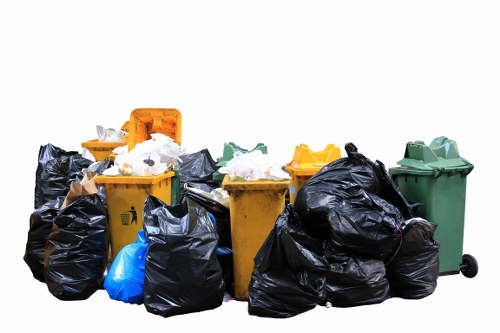
Welcome to our sustainability statement for Ilford Skip Hire, where we describe how our services support an eco-friendly waste disposal area and a sustainable rubbish area across Ilford and the surrounding boroughs. We believe that responsible skip hire and waste management go hand-in-hand with local environmental leadership. From sorting at source to working with local transfer stations and charities, our approach to waste diversion is practical, measurable and community-focused. Our goal is to reduce landfill, increase reuse and lower carbon emissions through modern operations and collaborative partnerships.Recycling percentage target and measurable goals
As part of our commitment to sustainable rubbish disposal and Ilford waste services, we have set a clear recycling percentage target: 70% diversion from landfill by 2030. This target covers business and household loads collected via our Ilford skips and aligns with broader London borough ambitions. We monitor performance with regular load audits and track the proportion of materials sent to recycling facilities versus residual waste. Our reporting includes monthly tonnage figures, composition analysis, and continuous improvement plans to increase rates for construction waste, green waste, wood, metals and mixed recyclables. We work in support of borough-level collection schemes, and are mindful of the local councils' approaches to waste separation — including separate food waste collections, co-mingled dry recycling and designated glass and paper streams in neighbouring boroughs. This means our transfer and sorting practices are tailored to local separation systems, helping residents and businesses in Redbridge, Barking & Dagenham and other nearby boroughs to maintain high capture rates for materials that can be recycled or composted.
Local transfer stations, logistics and responsible processing
Our skips are transported to licensed local transfer stations for onward sorting and onward processing. Using regional facilities reduces haul distances and avoids unnecessary emissions. We partner with vetted transfer stations that provide material recovery facilities (MRFs), inert recycling for hardcore and rubble, and organic treatment for green waste. Key logistics principles include:- Minimising haul distance to keep carbon emissions low
- Ensuring traceability of mixed loads and receipts from processors
- Sending segregated streams to specialist recyclers whenever possible
Partnerships with charities, social enterprises and reuse networks
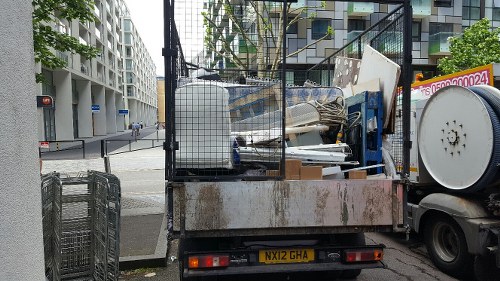
We maintain active partnerships with local charities and reuse organisations who accept items salvaged from skip loads that remain in reusable condition. Furniture, appliances, textiles and small fixtures that can be repaired or refurbished are offered to charities or social enterprises before being considered for recycling. Our relationships include donation pathways, scheduled collections for rehomed goods, and joint repair events that support local communities while reducing waste. In practical terms, items diverted through charity partnerships contribute to circular economy outcomes and social value metrics we report internally.Below are examples of the types of charity and reuse partnerships we engage in:
- Local furniture and household goods charities that refurbish and redistribute usable items
- Community reuse centres accepting construction surplus for low-cost resale
- Textile and small-electrical refurbishers that salvage working components
Sustainable rubbish area commitments and operational standards
Our commitment to a sustainable rubbish area is embedded in operational standards: segregation at source where possible, clear labelling for skip types, and education for customers on what constitutes dry recyclables, hazardous waste exclusions and reusable goods. We actively promote mixed construction recycling, green waste composting and metal reclamation. Regular audit cycles ensure compliance with environmental regulations and help meet our recycling percentage target. We also implement on-site signage and optional segregated skips (e.g., wood-only, hardcore-only, mixed recyclables) to assist contractors and householders to separate loads effectively. Low-carbon vans and fleet decarbonisation are central to lowering the carbon footprint of our skip hire operations. Our vehicle fleet has been progressively upgraded to include Euro 6 engines, hybrid vans and battery-electric vans for local deliveries and short runs across Ilford. We use route optimisation software to reduce mileage, consolidate drops where feasible and schedule collections during off-peak hours to minimise stop-start emissions. This focus on a low-emission fleet complements our on-site recycling and transfer station strategies, forming a full-chain approach to sustainable waste disposal in the Ilford area.
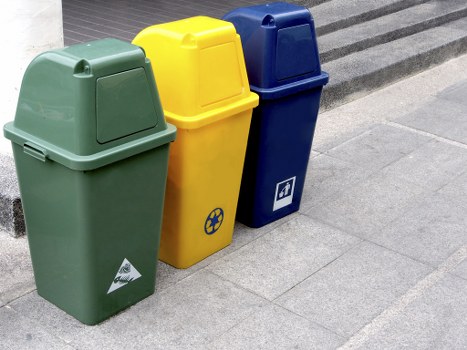 In summary, our Ilford skip hire and eco-friendly waste disposal area strategy brings together clear recycling targets, local transfer station partnerships, charity reuse pathways and a low-carbon van fleet to create a resilient and sustainable rubbish area. We are committed to continuous improvement and transparency: setting ambitious targets, reporting progress, and working with communities and partners to keep materials circulating rather than being sent to landfill. Whether you operate a construction site, renovate a home, or manage commercial waste streams, our skip services are designed to support sustainable outcomes across Ilford and the neighbouring boroughs.