Turn Broken or Unused Items into Valuable Assets with Upcycling
Looking for innovative ways to breathe new life into your cluttered garage or attic? Do you want to make a positive impact on the environment while saving money--and even earn extra cash? Then it's time to embrace the world of upcycling! In this expansive guide, discover how to turn broken or unused items into valuable assets with upcycling, learning practical methods, lucrative ideas, and eco-friendly tips that will transform the way you look at "junk."
What is Upcycling?
Upcycling is the creative process of taking old, broken, or unused items and transforming them into new products with a higher value, purpose, or quality. Unlike recycling, which breaks down materials to create new raw materials, upcycling repurposes objects as-is or with minimal changes, greatly reducing waste and environmental impact.
Benefits of Upcycling Broken and Unused Items
- Environmental Impact: Minimizes landfill waste and conserves natural resources.
- Cost Savings: Reduces the need to buy new items and helps you save money.
- Financial Opportunity: Upcycled goods are often in high demand at craft fairs and online marketplaces.
- Creativity: Lets you express your artistic side while customizing your space.
- Preserves Memories: Upcycling heirlooms or old memorabilia helps maintain sentimental value.

How Upcycling Differs from Recycling
Recycling is about breaking materials down to their basic elements--think melting down plastics or metals--before remanufacturing them. In contrast, upcycling focuses on creative reuse, adding value through design and craftsmanship without destroying the material's structure.
Example: Recycling a glass bottle means melting it down into new glass; upcycling might mean turning it into a unique vase, lamp, or terrarium instead.
Popular Ways to Upcycle Broken or Unused Items
Furniture
- Repurpose: Turn an old wooden door into a coffee table with just some sanding, painting, and new legs.
- Restore: Sand and repaint a scratched-up dresser; replace missing knobs with upcycled ones from mismatched drawer pulls or vintage buttons.
- Transform: Convert broken chairs into quirky garden planters.
Home Decor
- Turn old ladder rungs into a rustic bookshelf or towel rack.
- Use chipped teacups or mugs to create candles or planters.
- Frame fragments of broken mirrors to produce dazzling mosaic wall art.
Fashion and Accessories
- T-Shirts: Old or torn t-shirts can become cleaning rags, braided rugs, or fashionable tote bags.
- Jewelry: Upcycle broken costume jewelry into new earrings, brooches, or hair accessories.
- Denim: Turn worn-out jeans into shorts, bags, or patchwork quilts.
Electronics
- Use components from broken electronics for DIY tech projects, art, or jewelry.
- Transform dead laptop keyboards into stylish desk organizers.
Gardening
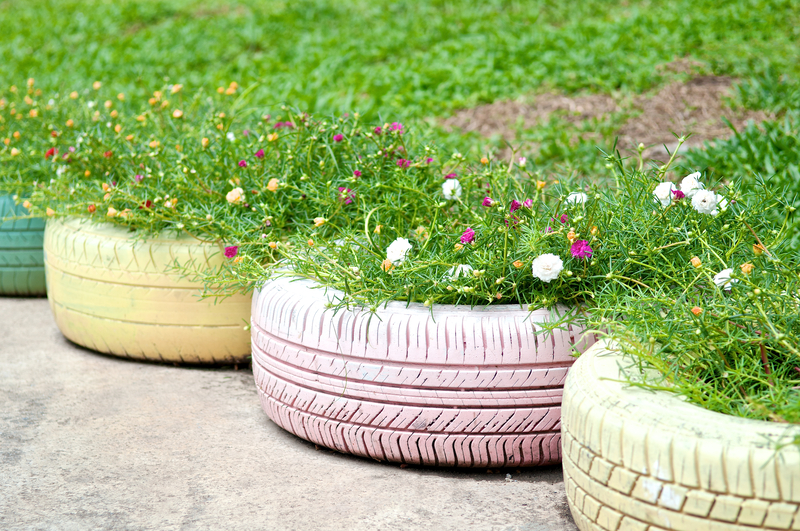
- Convert old tires into colorful garden planters.
- Use plastic bottles as mini greenhouses for seedlings or as vertical gardens.
- Repurpose wooden pallets into raised garden beds or compost bins.
Step-by-Step Guide to Upcycling Unused and Broken Items
Ready to turn unused or broken items into valuable resources? Follow these simple steps:
1. Identify Your Items
- Survey your home for broken, outdated, or unused objects.
- Make a list of these items and their material (wood, fabric, metal, glass, etc.).
2. Assess Their Potential
- Can the item be fixed or modified for a new use?
- Is there an upcycling idea or tutorial online for that object?
3. Gather Materials and Tools
- Collect any additional supplies, such as paints, adhesives, or fasteners.
- Gather necessary tools (drill, screwdriver, hot glue gun, sewing kit).
4. Plan Your Project
- Sketch your design or jot down notes about the changes and steps.
- Look for upcycle inspiration on Pinterest, Instagram, or YouTube.
5. Start Upcycling!
- Work in a clean, safe space. Follow all safety instructions for tools and materials.
- Take before and after photos to see the transformation and inspire others!
Upcycling Project Ideas for Beginners
Glass Jars and Bottles
- Paint or decorate glass jars to use as organizers, vases, or candle holders.
- Stack bottles for a DIY lamp base or garden edging.
Old Clothing
- Sew patches onto jeans for a modern twist on worn fashion.
- Transform t-shirts into braided dog toys or eco-friendly shopping bags.
Broken Picture Frames
- Glue several frames together for a vintage window-pane wall hanging.
- Remove the glass and insert chicken wire to create a memo or jewelry organizer.
Used Pallets
- Sand and paint for rustic coffee tables, bookshelves, or even outdoor sofas.
- Use intact boards as wall-mounted racks for shoes, magazines, or tools.
Advanced Upcycling Techniques and Tips
- Decoupage: Transform surfaces by gluing decorative paper or fabric onto furniture and accessories.
- Mosaic: Use broken ceramics or glass to create intricate tabletops and garden features.
- Woodworking: Combine parts from broken furniture into entirely new pieces, such as benches or headboards.
- Painting and Finishing: Chalk, milk, or spray paints can dramatically update drab pieces and protect them from wear.
Monetizing Your Upcycled Creations
Did you know that you can turn broken or unused items into valuable financial assets with upcycling? Here's how:
- Sell At Local Markets: Handmade or upcycled decor is highly popular at farmers' markets, flea markets, and local boutiques.
- Online Platforms: List your upcycled goods on Etsy, eBay, Facebook Marketplace, or specialty craft sites.
- Social Media: Showcase your creations on Instagram, Pinterest, or TikTok to attract buyers and commissions.
- Workshops: Offer classes or tutorials in your community, sharing your expertise while earning extra income.
*Pro tip: Always highlight the sustainability and originality of your products, which are huge selling points for today's eco-conscious consumers.*
Eco-Friendly Impact: Sustainability through Upcycling
Upcycling does much more than create beautiful or useful objects from discarded materials; it is a powerful tool for sustainable living. Here's why embracing upcycling as a lifestyle choice can make a lasting difference:
- Reduces Waste: Diverts items from landfill and decreases the demand for new materials.
- Saves Energy: Requires far less energy than traditional recycling or producing new products.
- Protects Resources: Slows the depletion of forests, water supplies, and energy resources.
- Strengthens Communities: Fosters local businesses, creative collaboration, and do-it-yourself skills.
Finding Inspiration: The Upcycling Community
The upcycling movement is thriving worldwide, and it's easy to find inspiration, resources, and like-minded individuals. Explore these popular resources:
- Pinterest: Search for "upcycle ideas" or specific projects for visual step-by-steps.
- YouTube Tutorials: Thousands of creators share detailed upcycling projects for all skill levels.
- Facebook Groups: Join local or international upcycling communities to exchange advice and showcase your projects.
- Instagram: Discover trending #Upcycle artists and ideas daily.
Essential Tools and Materials for Upcycling Success
To successfully upcycle broken or unused items into valuable assets, consider investing in a basic toolkit:
- Hand Tools: Screwdrivers, pliers, hammers, sandpaper, measuring tape, utility knife.
- Power Tools: Drill, jigsaw, glue gun (optional for more advanced projects).
- Adhesives and Finishes: Wood glue, fabric glue, spray paints, varnishes.
- Craft Supplies: Scissors, needles and thread, sewing machine, fabric scraps, decorative paper, beads, and buttons.
- Safety Gear: Gloves, eye protection, dust mask for sanding or painting.
Common Mistakes to Avoid in Upcycling
- Overcomplicating Projects: Start simple! Complex undertakings can be discouraging if you're a beginner.
- Ignoring Structural Issues: Ensure materials are safe to reuse, especially for weight-bearing furniture.
- Skipping Preparation: Clean, sand, and prime surfaces for the best, long-lasting results.
- Using Hazardous Materials: Avoid lead paint, asbestos, or items with mold/mildew unless you have expertise in safe removal.
- Underestimating Value: Many "worthless" items can be transformed into art or high-value collectibles with the right vision!
Creative Success Stories: Upcycling in Action
Many passionate creators have built thriving businesses and sustainable lifestyles by upcycling broken or unused items into valuable resources. Here's how:
- Pallet Pros: Pallets rescued from warehouses become stylish furniture, garden planters, and even tiny homes, selling for hundreds--or thousands--of dollars.
- Jewelry Designers: Artists transform discarded electronic parts and broken watches into exquisite, one-of-a-kind accessories sold at jewelry boutiques and global markets.
- Community Projects: Groups collaborate to upcycle construction waste into playgrounds, public art installations, or urban gardens, building stronger neighborhoods and reducing environmental impact.
Conclusion: Start Upcycling and Unlock Hidden Value Today
It's never been easier or more rewarding to turn broken or unused items into valuable assets with upcycling. By investing your time, creativity, and a little elbow grease, you'll save money, make a positive impact on the planet, and even unlock new revenue streams--all while having fun!
So, open those dusty storage boxes and see the potential in every "worthless" item. With upcycling, the possibilities are as unlimited as your imagination!
Begin your upcycling journey today--and watch your creativity and resourcefulness turn trash into treasured assets!