High Road Ilford bulky rubbish clearance and pricing tips
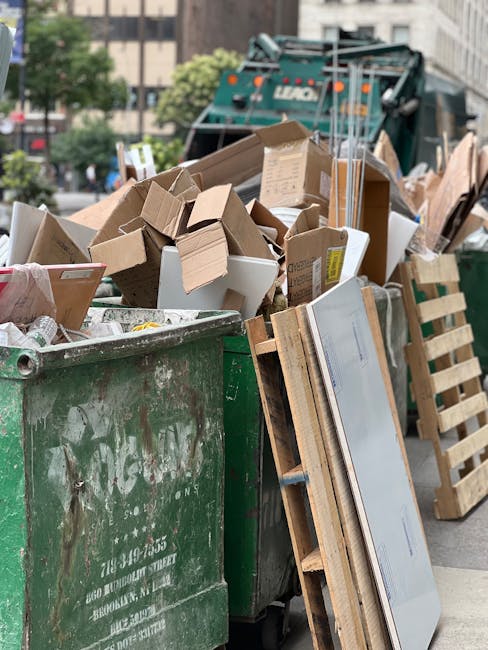
If you live, work, or run a job near High Road Ilford, bulky rubbish has a knack for becoming a bigger problem than it first looks. One old sofa turns into a pile of clutter. A broken wardrobe sits in the hallway. Then a fridge, a mattress, a few builders' offcuts, and suddenly the space feels tighter, messier, and more stressful than it should. This guide on High Road Ilford bulky rubbish clearance and pricing tips is here to make the decision easier, whether you are comparing removal methods, trying to avoid overpaying, or just want the job done properly without drama.
You will find clear pricing guidance, practical ways to reduce costs, and a grounded explanation of how bulky waste clearance typically works in London. No waffle. Just the useful bits, plus a few things people often forget until the day of collection.
Why High Road Ilford bulky rubbish clearance and pricing tips Matters
Bulky rubbish clearance is not just about getting rid of a few awkward items. In a busy stretch like High Road Ilford, the practical realities matter: limited parking, tighter access, busy pavements, shared entrances, and the simple fact that waste left too long can get in the way of daily life. If you are clearing a flat, a shop back room, a rented property, or a house after a refresh, delays quickly become annoying. And yes, the smell from damp furniture or old appliances can turn a small issue into an unpleasant one very fast.
Pricing matters because bulky waste is one of those services where the cheapest quote is not always the best value. Some providers price by volume, some by labour, some by the type of waste, and some by how difficult access is on the day. If you understand the basics before booking, you are much less likely to be hit with last-minute add-ons. That alone can save a fair bit.
There is also the question of choosing the right method. A single bulky item might suit a quick man-and-van collection. A half-full garage could be better handled with rubbish removal. A bigger declutter or renovation may need skip hire. Getting that decision right is where the real savings start.
Key takeaway: the best price is usually the one that matches the job properly, with no wasted capacity and no surprise charges. Simple, but easy to miss when you are in a rush.
How High Road Ilford bulky rubbish clearance and pricing tips Works
Bulky rubbish clearance usually begins with a description of what needs removing. The more accurate you are, the more reliable the quote tends to be. A sofa, armchair, mattress, wardrobe, and chest of drawers are straightforward examples. Mixed loads are more complex. Add in plasterboard, rubble, electricals, or garden waste, and the price can change because disposal routes change too.
In practical terms, the process often looks like this:
- You list the items, or send photos if the provider asks for them.
- The team estimates volume, labour, and any access challenges.
- A quote is given, sometimes fixed, sometimes based on load size or time on site.
- Collection is booked for a suitable day and time window.
- The waste is loaded, sorted, and taken for disposal or recycling.
That sounds tidy on paper. In real life, High Road can make things more interesting. A basement flat with a narrow staircase is different from a ground-floor office with rear access. A collection that takes fifteen minutes in one place might take forty-five in another. Parking also matters, especially if the vehicle cannot stop right outside.
If you want to get a feel for what can be handled in a normal load, it helps to check what can go in a skip. Even if you are not actually hiring a skip, the guidance gives a useful sense of how waste is usually classified.
For bigger or mixed collections, some people compare against skip sizes and prices first, then decide whether a clearance crew or a skip offers better value. That comparison is often where the lightbulb moment happens.
Key Benefits and Practical Advantages
The main benefit is obvious: space comes back. But to be fair, that is only the start.
- Less stress: bulky waste disappears in one managed visit rather than sitting around for weeks.
- Safer access: hallways, stairwells, yards, and shop fronts are easier to navigate once items are gone.
- Better cost control: a clear quote helps you avoid paying for unnecessary collection methods.
- Faster turnaround: ideal when a tenancy is ending, a room needs decorating, or a project is stuck behind clutter.
- More responsible disposal: a good provider sorts reusable and recyclable material where possible.
There is a quieter benefit too: peace of mind. You do not have to spend your Saturday dragging a broken sofa to the kerb and wondering whether it will actually be collected. You do not have to argue with three people in the group chat about who owns the old cabinet. It just gets sorted. Bliss, honestly.
For households, services such as house clearance or garage and loft clearance can be a neat fit when the clutter is larger than a single load. For businesses, office clearance or commercial skip hire may be more suitable depending on the volume and timing.
Who This Is For and When It Makes Sense
This topic matters to a wide range of people. You might be a homeowner replacing furniture, a landlord clearing a rental between tenancies, a contractor dealing with site debris, or a shop owner removing old stockroom fixtures. Different job, same headache.
It makes sense to book bulky rubbish clearance when:
- items are too large for normal council-style collection timing, or you want quicker removal
- you do not have space for a skip
- access is awkward but manageable for a team with lifting experience
- you have mixed household waste and want a single tidy clearance
- you need the area cleared before decorating, letting, selling, or opening
If your waste is mostly renovation debris, builders waste removal or builders skip hire may be the better route. If you are handling rubble, soil, or heavier spoil, grab hire services can be worth considering. Different job, different tool. No need to force the wrong one.
And if you are working against the clock, same-day help may be the deciding factor. In that case, same day skip hire can be useful where a skip suits the site better than a one-off collection crew.
Step-by-Step Guidance
If you want the best price and the least hassle, do the prep in the right order. It does save money. Really.
- Sort the waste into rough categories. Keep furniture, electricals, garden waste, and construction material separate if you can. Mixed waste is often harder to price.
- Measure the bulky items. Even a rough idea of width, length, and quantity helps enormously. A photo beside a doorway or tape measure is surprisingly useful.
- Check access. Note stairs, lifts, parking restrictions, locked gates, or narrow alleyways. This affects labour time.
- Ask what the quote includes. Loading, labour, disposal, recycling, congestion, waiting time, and VAT can all affect the final figure.
- Compare methods. A clearance team, skip, wait-and-load option, or van collection may each suit different budgets.
- Book only when you are ready. If the items are still in use or you are not fully sorted, you may pay for extra time or a return visit.
- Keep a small clearance area clear. It speeds things up on the day and avoids the classic "we moved it, then moved it again" situation.
One useful comparison point is man and van, which can suit quick one-off loads when you do not need a full skip. Another is wait and load skip hire, a practical option when space is limited and you want a rapid turnaround without leaving a skip on site.
Expert Tips for Better Results
Here is where small choices save real money. The biggest cost mistakes usually come from poor preparation, not the service itself.
1. Group similar waste together.
Furniture with furniture. Electricals with electricals. Builders' waste with builders' waste. It makes pricing clearer and disposal more efficient.
2. Don't overestimate the job too wildly.
People often assume they need the biggest option, then pay for space they never use. That is why checking skip sizes and prices can be handy even when you are considering a clearance crew.
3. Be honest about awkward access.
If a team arrives and discovers a fourth-floor walk-up with no lift, the quote may change. Better to be upfront than awkward later.
4. Ask about recycling and reuse.
A responsible provider should aim to divert suitable waste away from landfill where possible. That does not always reduce the headline price, but it can improve the overall value.
5. Think about timing.
Midweek collections are sometimes easier to arrange than peak weekend slots. If your job is flexible, you may find a better price or quicker availability.
6. Use photos well.
Photos from different angles, including one showing doors or stairways, tell a far better story than a vague message saying "quite a lot of stuff".
If you are unsure where a particular item fits, the page on fridge and appliance removal can help with common white goods. For large soft furnishings, mattress and sofa disposal is a useful guide. Small detail, but it saves guesswork.
Common Mistakes to Avoid
Most cost blowouts are avoidable. The trouble is, people only notice after the collection is underway.
- Leaving everything mixed together: especially when hazardous, electrical, and general waste are all piled in one place.
- Ignoring access issues: a narrow entrance or no parking can add time and cost.
- Booking too early: if you are still deciding what to keep, you may end up paying for a second visit.
- Assuming all bulky items are accepted: items with special handling needs may require separate arrangements.
- Skipping the quote details: vague pricing is where surprises like to hide.
Another common one: not checking whether the job is better suited to clearance or a container on site. If waste will keep building for several days, a domestic skip hire setup may actually be cleaner and cheaper. If the waste needs to be removed instantly and the space is tight, a vehicle-based collection may win. It depends. Annoying answer, but true.
And please do not mix in anything hazardous without checking first. If there are paints, solvents, batteries, gas cylinders, or other risky materials, look at hazardous waste disposal before you book. Better safe than sorry. That phrase exists for a reason.
Tools, Resources and Recommendations
You do not need specialist software or a complicated spreadsheet. A few simple tools make bulky rubbish clearance much easier:
- a tape measure for checking item size and doorway clearance
- a phone camera for clear photos of the load and access route
- basic notes listing item types and quantity
- a rough plan for what stays and what goes
- a checklist for any items that need special handling
If you are comparing quote types, the page on pricing and quotes is a sensible place to start. It is also worth looking at payment and security so you know what to expect before paying a deposit or final balance.
For larger or multi-stage jobs, the following can help you choose the right route:
- Rubbish removal for mixed household loads and single-visit clear-outs
- Skip hire permits if a skip needs to sit on a public road
- Enclosed and lockable skip hire for added security or where waste should be kept covered
- Recycling and sustainability if you want to understand how waste streams are handled
That mix of planning tools and service pages gives you a much better basis for decision-making. Not glamorous, maybe, but effective.
Law, Compliance, Standards, or Best Practice
Bulky rubbish clearance touches a few important UK best-practice areas, even if the job itself looks simple. The first is duty of care. In plain English, waste should be transferred to a responsible carrier and handled properly from collection through to disposal or recycling. You do not want to be left wondering where it ended up.
For householders and businesses alike, it is wise to keep the paperwork or booking confirmation, especially if you are clearing a rental, office, or site. If something is queried later, that record helps.
Some items need extra care. Refrigerators, mattresses, upholstered items, confidential paperwork, and any potentially sensitive material may each require the right route. Confidential documents, for example, are better dealt with through confidential shredding rather than dumped into a general load. It sounds obvious, until it is not.
If the job involves construction, demolition, or a site clearance, the expectations rise again. Good segregation, safe lifting, sensible storage, and appropriate transport all matter. That is where services like construction waste disposal, demolition waste removal, and site clearance come into their own.
Best practice is pretty straightforward: be honest about the waste type, avoid mixing in prohibited items, and choose a provider that explains the process clearly. You do not need legal drama over an old wardrobe. No one needs that.
Options, Methods, or Comparison Table
Choosing the right clearance method is often the difference between a fair price and an expensive mistake. The best option depends on volume, access, speed, and whether you want waste removed immediately or over a longer period.
| Method | Best for | Typical strengths | Possible downside |
|---|---|---|---|
| Bulky rubbish clearance | Single loads, furniture, mixed household items | Fast, labour included, less lifting for you | May cost more if access is awkward or items are very heavy |
| Skip hire | Ongoing clear-outs, renovations, larger volumes | Flexible loading, good for multi-day jobs | Needs space; may need a permit |
| Wait-and-load | Tight streets, fast clearances, no on-site storage | No skip left behind, usually quick | You need to be ready when the vehicle arrives |
| Man and van | Smaller loads, furniture, quick tidy-ups | Simple and often cost-effective | Not ideal for very large or ongoing waste streams |
| Grab hire | Heavy waste, soil, rubble, mixed site waste | Handles awkward heavy loads efficiently | Needs suitable access and load type |
In a High Road setting, access and turnaround often matter more than people expect. If parking is tight and the waste is ready to go, wait-and-load or van collection can make more sense than leaving a container outside. If the job stretches across several days, a skip is usually easier. There is no single winner every time, which is mildly irritating but useful to remember.
Case Study or Real-World Example
A realistic example: imagine a small flat off High Road where the tenant has moved out and left behind a two-seat sofa, a mattress, a broken bookcase, three black bags of mixed clutter, and an old fridge. The landlord wants the property ready for decorating by the following afternoon.
At first glance, that feels like a one-size-fits-all job. But once you break it down, the smartest approach becomes clearer. The sofa and mattress need specialist handling, the fridge may need a separate appliance route, and the mixed bags should be checked for what they contain. A crew that offers bulky rubbish clearance plus appliance handling may be the easiest solution. If the access is straightforward and parking is possible for a short window, the whole thing can often be done in one visit.
Now compare that with a rear-yard clear-out from a small shop near High Road, where there are cardboard boxes, broken display units, and some light construction waste from a refit. In that case, a mix of man and van and builders waste removal might be more appropriate. The point is not just to clear it, but to clear it in the cheapest sensible way.
A good quote starts when the job is described properly. The less the provider has to guess, the better your chances of getting a fair price first time.
Practical Checklist
Before you book, run through this quick checklist. It saves headaches later.
- Have I listed every bulky item that needs removing?
- Do I know whether any items are hazardous, electrical, or confidential?
- Have I checked access, stairs, parking, and loading space?
- Do I want a one-off clearance or an on-site container?
- Have I compared a few service types, not just one?
- Do I understand what is included in the quote?
- Have I asked whether recycling or disposal charges are included?
- Is the collection time realistic for the way I can access the property?
- Do I need any extra protection, like an enclosed container?
- Am I ready for the collection on the agreed day?
And one final little thing: if you are handling documents, receipts, or old paperwork while clearing out furniture, check whether confidential shredding would save you from sorting it all by hand. It often does.
Conclusion
High Road Ilford bulky rubbish clearance and pricing tips really come down to three things: know your waste, know your access, and choose the right method for the job. Once you do that, the price usually makes more sense, and the whole process becomes a lot less stressful. That is especially true in a busy local area where time, parking, and convenience all matter.
If you are comparing options, start with the practical route first rather than the cheapest headline number. A slightly better fit can save you money, time, and a fair amount of frustration. And let's face it, nobody wants to spend the evening re-lifting a wardrobe because the first quote was too vague.
When you are ready to move from sorting to action, use the guidance above to narrow the right service, get a clearer quote, and keep the process straightforward. Little bit of planning goes a long way.
Get a free quote today and see how much you can save.
Frequently Asked Questions
How much does bulky rubbish clearance usually cost in High Road Ilford?
The price depends on the amount of waste, the type of items, access, labour time, and whether special handling is needed. The easiest way to control cost is to describe the load accurately and share photos if possible.
Is bulky rubbish clearance cheaper than hiring a skip?
Sometimes yes, sometimes no. For a single load or awkward access, clearance can be better value. For larger ongoing jobs, a skip may work out more cost-effective. It really depends on how long the waste will build up.
What items count as bulky waste?
Typical bulky items include sofas, mattresses, wardrobes, tables, chairs, beds, cabinets, and some appliances. If an item is especially heavy, hazardous, or bulky in an unusual way, it may need separate handling.
Can I save money by sorting the waste first?
Yes, absolutely. Separating furniture, electricals, garden waste, and builders' waste can make pricing clearer and reduce the time spent on site. Mixed loads can still be collected, but they are often more expensive.
Do I need a permit for bulky rubbish clearance?
No permit is usually needed for a direct collection because the vehicle is not left on the road in the same way a skip would be. If you do choose a skip and it goes on a public road, then permit rules may apply.
What if I have a fridge or other appliance to remove?
Appliances often need special handling, especially fridges and freezers. It is best to flag them in advance and check fridge and appliance removal so the quote reflects the right disposal route.
Can sofas and mattresses go with normal bulky waste?
They can often be collected as part of a bulky load, but they may be handled as separate waste categories. It helps to mention them clearly at the quoting stage and review mattress and sofa disposal for more detail.
What is the cheapest way to clear bulky rubbish?
The cheapest sensible option is usually the one that matches the size and timing of your job without overbuying capacity. For a small, ready-to-go load, a van-based collection may be cheaper than a skip. For a larger clear-out, a skip may be more efficient.
How quickly can bulky rubbish be removed?
That depends on availability and access. Some jobs can be arranged quickly, especially if the waste is ready and the location is straightforward. If you need urgent help, services such as same day skip hire may be useful where a skip is the better fit.
Are there items that cannot go in a bulky rubbish collection?
Yes. Hazardous waste, confidential material, and certain specialist items may need separate treatment. If you are unsure, check before booking rather than hoping for the best. That gamble tends to be expensive.
Is bulky rubbish recycled?
Often, yes, at least in part. A responsible provider will sort waste where possible and use recycling channels for suitable materials. The exact recovery rate depends on the waste type and condition.
What should I do before the collection team arrives?
Clear a path, separate any items that should not go, make parking or access as easy as possible, and keep pets or children away from the working area. A tidy setup speeds everything up, which usually helps keep the cost down too.